Vertical Garden in Bhubaneswar: A Smart Solution for Urban Green Spaces
In This Article

What is a vertical garden?
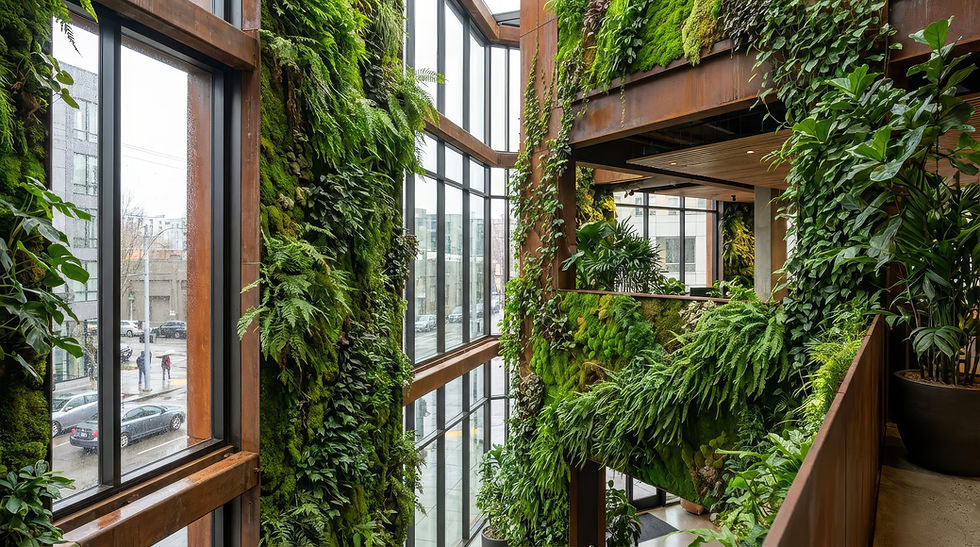
A vertical garden is a method of growing plants vertically on walls or specially designed structures instead of spreading them across the ground. It is also commonly known as a living wall or green wall.
In this system, plants grow in panels, pots, or modular structures that are attached to walls. These systems can be installed both indoors and outdoors on building facades, balconies, office walls, and residential spaces.
Vertical gardening is especially useful in urban environments where horizontal space is limited. By using vertical surfaces, buildings can incorporate greenery without needing large garden areas.
Some common places where vertical gardens are used include:
• Building facades and compound walls
• Apartment balconies
• Office interiors and reception areas
• Restaurants, hotels, and commercial spaces
Vertical gardens help transform plain walls into green living spaces while improving the surrounding environment.

Importance of vertical gardens
Cities are becoming denser, and open land for traditional gardens is becoming scarce. Vertical gardens offer a creative way to add greenery without occupying valuable ground space.
By covering building walls with plants, cities can improve their urban environment while also enhancing the visual appeal of buildings.
Vertical gardens help cities in several ways:
• Increase green cover in dense urban areas
• Improve air quality by filtering pollutants
• Reduce heat absorption from building walls
• Create visually attractive landscapes in urban spaces
Plants in vertical gardens can absorb pollutants such as carbon dioxide and improve air quality in crowded cities. Because of these benefits, vertical gardens are increasingly used in modern architecture and urban landscaping.

Working of vertical garden systems
Vertical gardens are created using special support structures that allow plants to grow vertically while receiving adequate water and nutrients.
The first step involves installing a structural frame or modular panel system on the wall. This frame holds plant containers or planting pockets where vegetation grows.
These systems often include irrigation setups such as drip irrigation or hydroponic systems that supply water directly to the plant roots.
A typical vertical garden system includes:
• Structural frame or modular panels
• Plant pockets or containers
• Lightweight soil or growing medium
• Drip irrigation or automated watering system
Water is distributed evenly through irrigation systems, ensuring that plants receive sufficient moisture while reducing water wastage. With proper installation and maintenance, vertical gardens can remain healthy and vibrant for many years.

Benefits of vertical garden
Vertical gardens offer both environmental and aesthetic benefits, making them popular in modern landscaping and urban design. One of the biggest advantages is efficient use of space because instead of requiring large land areas, plants grow upwards on walls and structures.
Key benefits of vertical gardens include:
• Efficient use of limited urban space
• Improved air quality through natural filtration
• Reduction of urban heat and building temperature
• Natural sound insulation from traffic noise
• Increased biodiversity by attracting birds and insects
Green walls can also act as natural insulation for buildings, reducing heat absorption and helping maintain cooler indoor temperatures. In addition, vertical gardens add a strong visual impact, turning blank concrete walls into vibrant green features.

Vertical garden in Bhubaneswar
Bhubaneswar is rapidly developing as a modern city, and incorporating greenery into urban infrastructure is becoming increasingly important.
Vertical gardens provide an effective solution for adding greenery to buildings, commercial spaces, and public infrastructure in the city.
They can be implemented in various places such as:
• Office buildings and corporate campuses
• Residential apartments and balconies
• Restaurants, cafes, and hotels
• Public spaces and urban infrastructure
For a growing city like Bhubaneswar, vertical gardens help balance urban development with environmental sustainability. They improve air quality, enhance city aesthetics, and create greener surroundings for residents.
As urban landscaping continues to evolve, vertical gardens are likely to become an important element in creating greener and more sustainable cities.
FAQs
What is a vertical garden?
A vertical garden, also known as a living wall or green wall, is a system where plants are grown vertically on walls or specially designed structures instead of on the ground. These gardens can be installed both indoors and outdoors using soil-based or hydroponic systems. Vertical gardens maximize greenery in areas with limited space while improving the surrounding environment.
What are the benefits of installing a vertical garden?
Vertical gardens offer numerous environmental, social, and economic benefits. They help filter pollutants and dust from the air, lower surrounding temperatures, reduce noise pollution, improve building insulation, increase biodiversity by attracting birds and pollinators, and create aesthetically pleasing environments. They also contribute to better mental well-being by bringing nature into urban settings.
What types of plants are suitable for vertical gardens?
The choice of plants depends on the location, sunlight availability, and climate. Common plants include ferns, pothos, spider plants, philodendrons, money plants, succulents, herbs such as mint and basil, flowering plants, and native ornamental species. Selecting low-maintenance and climate-appropriate plants ensures better growth and longevity.
Do vertical gardens require regular maintenance?
Yes. Regular maintenance includes watering, pruning, fertilizing, replacing unhealthy plants, checking irrigation systems, and monitoring pests and diseases. Although maintenance is essential, automated irrigation and careful plant selection can significantly reduce the effort required.
Can vertical gardens improve air quality?
Yes. Plants naturally absorb carbon dioxide and release oxygen through photosynthesis. They also trap airborne dust, absorb certain pollutants, and help reduce particulate matter in the surrounding air. While a single vertical garden cannot eliminate urban air pollution, it contributes to creating healthier and cleaner local environments.
Where can vertical gardens be installed?
Vertical gardens can be installed on residential buildings, offices, schools, hospitals, shopping malls, hotels, parking structures, metro stations, flyovers, and public parks. They are especially useful in locations where horizontal space for landscaping is limited but wall surfaces are available.
Are vertical gardens environmentally sustainable?
Yes, when designed and maintained properly. Vertical gardens improve energy efficiency by insulating buildings, reduce the urban heat island effect, support biodiversity, and promote rainwater management. Using native plants, recycled materials, and water-efficient irrigation systems further enhances their sustainability.